About the CPVMA

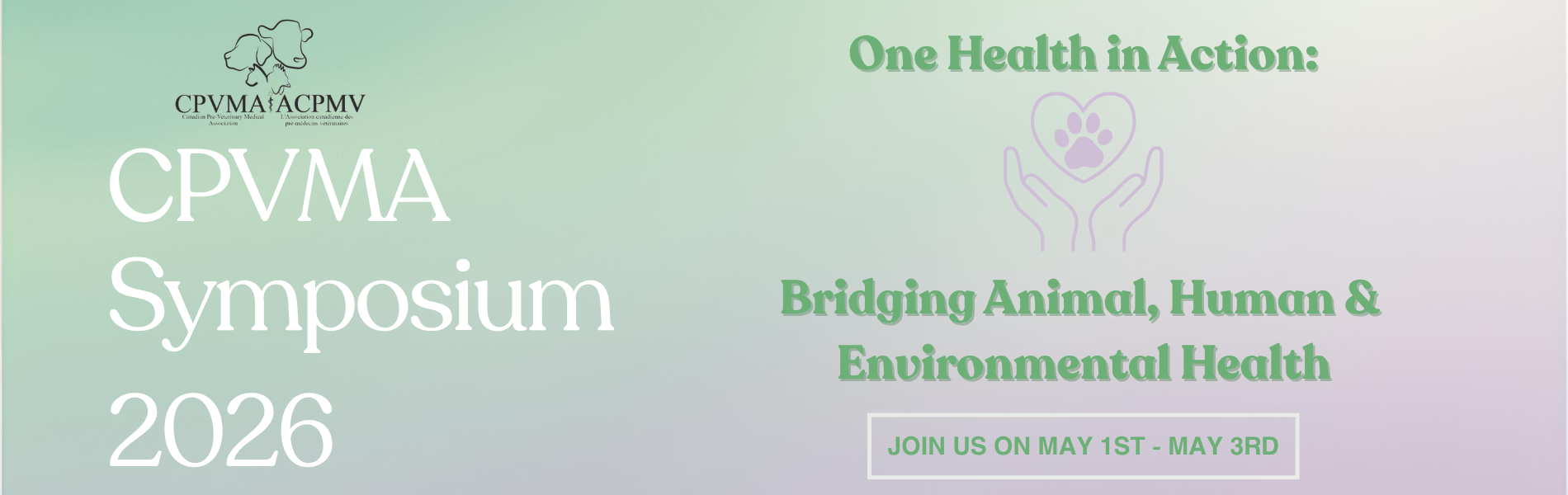
The Canadian Pre-Veterinary Medical Association is committed to fostering connections and providing resources to pre-veterinary students across Canada. As a student-run initiative, it was created to address the growing need for a national platform to bring together those interested in pursuing a career in veterinary medicine. Through this organization we aim to improve access to resources and increase opportunities for hands-on learning through events such as our annual Symposium, excursion trips, and nationwide fundraisers. Through our Symposium we offer innovative labs, informative lectures, and networking opportunities with the goal of strengthening the pre-veterinary community and developing long-lasting relationships between pre-veterinary students, undergraduate veterinary clubs, veterinary schools, and veterinarians.

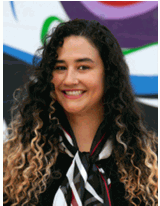
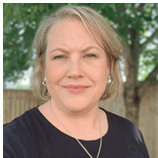
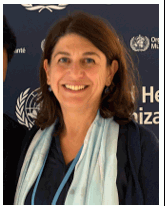
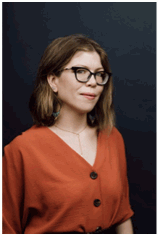
Meet Our Executive Team: https://www.cpvma.ca/about/team
Event Agenda
16:30 to 17:20

Opening Ceremony/Speaker

Dr. Cate Dewey

Dr. Cate Dewey, DVM, MSc, PhD is an Assistant Dean, and Professor of epidemiology and swine health management in the Department of Population Medicine, Ontario Veterinary College. She graduated from OVC, and worked in private veterinary practice for many years before completing a MSc and PhD. As the inaugural Director of the One Health Institute, she led the development of the Mobilizing One Health micro-credential and contributed to the undergraduate Bachelor of One Health degree. Her research focuses on preventing zoonotic disease in vulnerable populations and is currently focused in Rwanda. 

Dr. Cate Dewey

17:30 to 18:20

Mental Health

Dr. Marie Holowaychuk

Dr. Marie Holowaychuk, DVM, Dipl. ACVECC, is a veterinarian and board-certified emergency and critical care specialist dedicated to promoting mental health and wellbeing in the veterinary profession. With over 20 years of practice experience, she founded Reviving Veterinary Medicine to address burnout and wellness through evidence-based resources and programs like From Burnout to Balance and From Toxic to Terrific. A certified coach, yoga teacher, and dynamic speaker, Marie delivers workshops and keynotes globally. She is the author of A Compassionate Calling: What It Really Means to Be a Veterinarian and hosts the Reviving Vet Med Podcast, all aimed at fostering sustainable veterinary careers.

Dr. Marie Holowaychuk


18:30 to 19:20

Surveillance & Prevention of Zoonotic Diseases

Ivana Blagojevic

Ivana is an epidemiologist in the second year of her PhD within the department of Population Medicine at the Ontario Veterinary College. She is a mixed-methods researcher focused on investigating and understanding uptake of various tick bite and tick-borne disease prevention measures by dog and cat caregivers. She approaches her research with a One Health lens, tying together the human-animal bond, preventive health decision making frameworks, zoonotic disease, and environmental drivers of tick-borne disease. Prior to her PhD, she completed an undergraduate and master’s degree at the University of Guelph where she conducted surveillance of an emerging zoonotic canine fecal parasite in southern Ontario. Ivana serves as Co-President for the One Health Student Committee at the University of Guelph and is a member of a national, interdisciplinary, One Health research training group called Canopy. Outside of research, she enjoys spending time outdoors, crocheting, reading, and playing pickleball. 

  • Ivana Blagojevic

19:30 to 20:20

Animal Rights and Welfare

Tijana Selak

Tijana Selak (MSc., P.Biol.) is a biologist, science communicator, and the Wildlife Campaigns & Advocacy Manager at The Fur-Bearers, an animal protection organization involved in conservation, research, advocacy, and education. She holds a BSc in Zoology from the University of Calgary and a MSc in Environmental Practice from Royal Roads University, and is a Registered Professional Biologist in Alberta, specializing in urban wildlife. Her undergraduate research examined the effects of urbanization on wildlife, a focus she later extended in her graduate work by exploring how environmental communication can foster more positive public attitudes toward urban animals. With over a decade of experience in the conservation sector - including as a wildlife rehabber, environmental consultant, wildlife educator, and more - her work bridges science, storytelling, and advocacy to promote compassionate conservation and coexistence with wildlife. 

Tijana Selak

10:00 to 10:50

Food Safety & Sustainable Food Systems

Dr. Keith Warriner

Dr. Warriner is currently a Professor within the Department of Food Science at University of Guelph, Canada. Dr. Warriner received his BSc in Food Science from the University of Nottingham, UK and PhD in Microbial Physiology from the University College of Wales Aberystwyth, UK. He later went on to work at within the University of Manchester before returning to the University of Nottingham. He joined the Faculty of the University of Guelph in 2002. During the last twenty-two years in the field of microbiology and food safety research, Dr. Warriner has published more than 200 papers, book chapters, patents, and conference abstracts. Noteworthy contributions have been risk assessment and risk management of fresh fruit & vegetables. His research team were amongst the first to identify the internalization of pathogens within growing plants and adaptability of certain Salmonella on tomatoes. More recently, his research team completed a risk assessment of food safety in indoor farming operations with a report being submitted to the Food and Agriculture Organization of the United Nations. Innovations have included the development of a sanitizer for seed disinfection along with technologies based on hydroxyl- radical process. As the result of the groups research effort the hydroxyl-radical process was commercialized and found utility in decontaminating fresh produce, low moisture foods, eggs and poultry meat. Dr Warriner was awarded the University of Guelph, Innovation of the Year award in 2022 and the IAFP Ewan Todd award for innovations in food safety for 2023. He is Editor-in-Chief of Food Microbiology, Associate Editor of the Canadian Journal of Microbiology.  

Dr. Keith Warriner

11:00 to 11:30

St. George’s University (Vet School Talk)

Lysa Selli

Kelsey Tan

Lysa Selli & Kelsey Tan

11:00 to 11:50

Spectrum of Care in Veterinary Medicine

Dr. Melanie Moore

A Cayman Islands native with a global footprint, Dr. Melanie Moore is a veterinarian, nonprofit founder, and one of the distinctive voices shaping what modern veterinary medicine can look like. She earned her BSc in Animal Science from Aberystwyth University in Wales (2016) and her DVM from the Ontario Veterinary College (2021). Her work is rooted in a simple but often overlooked idea: veterinary care only works when people can actually access it. That belief has taken Dr. Moore from remote communities in Nepal, Thailand, Poland, and Samoa to a small animal practice in Ontario, where she works alongside shelters and local organizations to expand access to care and support pet owners. Dr. Moore is the founder of the Canadian VIBE Network, a nonprofit advancing Black veterinary professionals in Canada, and the creator of My Vet Friend, a Substack publication that turns exam room conversations into clear, accessible veterinary guidance for pet owners. Whether in a clinic, a rural outreach setting, or standing in front of an audience, Dr. Moore’s work circles back to the same conviction: cultural competency, accessible care, and meaningful mentorship are not “extras” in veterinary medicine. They are the foundation of what good care actually looks like

Dr. Melanie Moore

12:00 to 12:50

Future of Antibiotics & Antimicrobial Resistance

Dr. Sylvia Checkley

Dr. Sylvia Checkley

13:00 to 13:50

Animal Rights and Welfare

Alison Cuffley

Alison Cuffley (They/Them) Senior Manager, Canada Programs - the Jane Goodall Institute of Canada  Alison has over a decade of experience working with SPCAs and Humane Societies across Canada, with a strong focus on equity, decolonization, and One Health approaches in partnership with Indigenous communities. As Senior Manager, Canada Programs with the Jane Goodall Institute of Canada they oversee the Canadian Programs portfolio, including Roots & Shoots, advancing the JGIC’s Hope to Action strategy by supporting youth, especially those from underserved communities, to lead community-based conservation grounded in reciprocal, respectful relationships and connected to the Institute’s global network. Alison is passionate about this work because it centres relationships first, uplifts Indigenous-led land care, and affirms the interconnectedness of all living beings within the Tapestry of Life. Outside of work, Alison enjoys exploring their neighbourhood on foot or two wheels, meeting cats, and trying new coffee spots — especially when baked goods are involved. 

Alison Cuffley


14:00 to 14:50

Coffee Chat: Sponsor Networking and Lunch Break

15:00 to 16:20

Lab: One Health Case Studies

Katie McCurdy

16:30 to 18:20

CPVMA Q&A & Kahoot


17:30 to 18:20

CPVMA Q&A & Kahoot

18:30 to 19:20

Community-Based Veterinary Care

Janine Mitchell

Janine Mitchell is a global health and One Health leader with more than 20 years of experience across Africa, Asia, and Latin America. She currently serves as Executive Director of Veterinarians Without Borders North America, where she leads the organization’s strategic direction across animal health, livelihoods, and community based One Health programming. An epidemiologist by training, Janine has worked in more than 30 countries and brings deep expertise in health security, zoonotic disease, antimicrobial resistance, surveillance, outbreak response, and system strengthening. Her experience spans emergency response, development programming, and technical leadership in partnership with governments, donors, regional institutions, and local organizations. Before joining Veterinarians Without Borders, Janine held senior technical and leadership roles with organizations including DAI, Mott MacDonald, and Canada’s International Development Research Centre. She notably led early One Health antimicrobial resistance efforts under the UK funded Fleming Fund in West Africa and supported USAID funded regional One Health and health security initiatives in Southeast Asia through ASEAN. Janine also serves as an Extraordinary Lecturer at the University of Pretoria’s School of Health Systems and Public Health, where she contributes to teaching in global health diplomacy. She holds an MSc in Epidemiology from the University of Pretoria. 

Janine Mitchell


18:30 to 19:00

St. Matthew’s University (Vet School Talk)

Rubina Gilani

Rubina Gilani

10:00 to 10:30

Ross University (Vet School Talk)

Angela Forster

Oriana Barros

Angela Forster & Oriana Barros

10:30 to 11:00

University College Dublin (Vet School Talk)

John Buckley

Morgan Tucker

John Buckley & Morgan Tucker

11:00 to 12:50

One Health Panel

Janine Mitchell

Janine Mitchell is a global health and One Health leader with more than 20 years of experience across Africa, Asia, and Latin America. She currently serves as Executive Director of Veterinarians Without Borders North America, where she leads the organization’s strategic direction across animal health, livelihoods, and community based One Health programming. An epidemiologist by training, Janine has worked in more than 30 countries and brings deep expertise in health security, zoonotic disease, antimicrobial resistance, surveillance, outbreak response, and system strengthening. Her experience spans emergency response, development programming, and technical leadership in partnership with governments, donors, regional institutions, and local organizations. Before joining Veterinarians Without Borders, Janine held senior technical and leadership roles with organizations including DAI, Mott MacDonald, and Canada’s International Development Research Centre. She notably led early One Health antimicrobial resistance efforts under the UK funded Fleming Fund in West Africa and supported USAID funded regional One Health and health security initiatives in Southeast Asia through ASEAN. Janine also serves as an Extraordinary Lecturer at the University of Pretoria’s School of Health Systems and Public Health, where she contributes to teaching in global health diplomacy. She holds an MSc in Epidemiology from the University of Pretoria. 

Dr. Bernadette Abela-Ridder

Dr. Bernadette Abela is a global health expert working at the intersection of human, animal and environmental health. She serves at the World Health Organization (WHO) in the Department of Malaria and Neglected Tropical Diseases, where she leads zoonotic disease prevention and is the global lead for rabies. Trained in veterinary science and public health, she has advanced antimicrobial resistance strategies at WHO and with the U.S. Food and Drug Administration. Her research with IRD in Cameroon on simian immunodeficiency viruses informed understanding of viral spillover. She has also worked with FAO and in clinical veterinary practice. 

Dr. Kaylee Byers

Dr. Kaylee Byers is an Assistant Professor in the School of Population and Public Health at the University of British Columbia, a Senior Scientist with the Pacific Institute on Pathogens, Pandemics and Society, and the Deputy Director of the British Columbia node of the Canadian Wildlife Health Cooperative. Prior to joining UBC she was an Assistant Professor in the Faculty of Health Sciences at Simon Fraser University. Dr. Byers is a settler scholar of European ancestry, with roots in both Canada’s Maritime (Nova Scotia) and prairie provinces (Alberta).  Dr. Byers is an interdisciplinary scholar with over a decade of experience working in the field of One Health, which recognizes the interconnected health of people, animals, and the environment. As the lead of the OH-HI (One Health, Human dimensions and Implementation) Science CoLab, her team works across disciplines to explore health systems, with a focus on understanding how perceptions shape actions as well as Headshot strengthening processes to mobilize knowledge. Her team works on issues such as chronic wasting disease in deer, avian influenza, rodent management, and health communications. Outside of research, she is an active and enthusiastic science communicator. She co-founded, organizes and hosts Nerd Nite Vancouver, a science seminar series which aims to share science in a casual setting. She is also the host of Genome British Columbia’s award-winning podcast “Nice Genes” which explores the role of genomics in society. Dr. Byers is also currently the team lead of the CoLab Team  OHHI Science CoLab.

Dr. Juan Sebastian Orjuela

Dr. Juan Sebastian Orjuela (@juancho.dvm) is a Latino emergency veterinarian, educator, and co-founder of the Latinx Veterinary Medical Association. Practicing across North America, he blends ER storytelling with advocacy to promote diversity and expand veterinary access for underserved communities. An aspiring practice owner with a passion for exotic medicine, Dr. Juancho is dedicated to mentoring the next generation and making animal care more inclusive for everyone.   

Panelists: Janine Mitchell, Dr. Bernadette Abela-Ridder, Dr. Kaylee Byers

Panel Moderator: Dr. Juan Sebastian Orjuela

13:00 to 13:50

Wildlife Health & Outbreak Prevention

Kasey Pedersen

Kasey Pedersen is the Director of Veterinary Programs at Wilde Tracks. Her background is in captive animal care. She holds a Bachelor of Wildlife Science and Vet Assistant Diploma, and has continued undertaking a variety of wildlife and veterinary courses and internships. Kasey joined Wilde Tracks after witnessing the conservation mission first hand, and loving the refreshing intention and honesty of the work – Wilde Tracks is here to help animals by all means possible! Kasey’s mission in conservation is to create exciting veterinary programs that not only inspire and empower up-and-coming vets and conservationists, but also spark new opportunities and growth for those already making a difference in the field!

Kasey Pedersen

14:00 to 14:50

Coffee Chat: Sponsor Networking and Lunch Break

15:00 to 16:20

Lab: Animal Restraint/Handling

Katie McCurdy

Katie McCurdy

16:30 to 17:20

Royal Veterinary College (Vet School Talk)

Chris Hobson

Emerson Buczolits

Chris Hobson & Emerson Buczolits

17:00 to 17:30

Massey University (Vet School Talk)

Shelly Deegan

Shelly Deegan

17:30 to 18:20

Laboratory Animal Medicine as One Health in Action

Dr. Alanna Backx

Dr. Alanna Backx received a MSc degree in Biology in 2011 from Western University, in London, Ontario, and a DVM degree from the Ontario Veterinary College in 2017. After spending four years in general practice treating companion animals in Toronto and New York City, she completed a residency at MIT’s Division of Comparative Medicine in 2024. She is a boarded laboratory animal medicine specialist by the American College of Laboratory Animal Medicine and in April she became the Director, Head of Animal Science and Technologies at Fusion Pharmaceuticals, which is part of the AstraZeneca portfolio. 

Dr. Alanna Backx 

18:30 to 19:20

Laboratory Animal Medicine as One Health in Action

Dr. Alexandra Whittaker

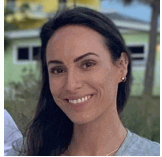
Dr Alexandra (Alex) Whittaker is a laboratory animal veterinarian with over twenty years’ experience spanning laboratory animal medicine, animal welfare science and law. Her work focuses on the care and ethical oversight of animals used in research, and on ensuring that animal welfare evidence is rigorously generated, synthesised and applied within regulatory frameworks governing animal research. She currently works as an animal welfare researcher and teacher in animal welfare and law at Adelaide University. Alex has extensive experience working with research facilities and animal ethics committees, and her research addresses evidence‑based decision‑making and science‑to‑policy translation to improve transparency, consistency and defensibility in animal research regulation and practice. 
Dr. Alexandra Whittaker

19:30 to 20:20

Closing Ceremony/Speaker

Meet Our Speakers

Oriana Barros

Shelly Deegan

Emerson Buczolits

Chris Hobson

Morgan Tucker

John Buckley

Angela Forster

Rubina Gilani

Kelsey Tan

Lysa Selli

Dr. Alexandra Whittaker

READ BIO

Dr. Alexandra Whittaker

Dr Alexandra (Alex) Whittaker is a laboratory animal veterinarian with over twenty years’ experience spanning laboratory animal medicine, animal welfare science and law. Her work focuses on the care and ethical oversight of animals used in research, and on ensuring that animal welfare evidence is rigorously generated, synthesised and applied within regulatory frameworks governing animal research. She currently works as an animal welfare researcher and teacher in animal welfare and law at Adelaide University. Alex has extensive experience working with research facilities and animal ethics committees, and her research addresses evidence‑based decision‑making and science‑to‑policy translation to improve transparency, consistency and defensibility in animal research regulation and practice. 

Dr. Alanna Backx

READ BIO

Dr. Alanna Backx

Dr. Alanna Backx received a MSc degree in Biology in 2011 from Western University, in London, Ontario, and a DVM degree from the Ontario Veterinary College in 2017. After spending four years in general practice treating companion animals in Toronto and New York City, she completed a residency at MIT’s Division of Comparative Medicine in 2024. She is a boarded laboratory animal medicine specialist by the American College of Laboratory Animal Medicine and in April she became the Director, Head of Animal Science and Technologies at Fusion Pharmaceuticals, which is part of the AstraZeneca portfolio. 
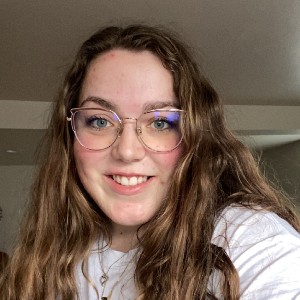
Katie McCurdy

Kasey Pedersen

READ BIO

Kasey Pedersen

Kasey Pedersen is the Director of Veterinary Programs at Wilde Tracks. Her background is in captive animal care. She holds a Bachelor of Wildlife Science and Vet Assistant Diploma, and has continued undertaking a variety of wildlife and veterinary courses and internships. Kasey joined Wilde Tracks after witnessing the conservation mission first hand, and loving the refreshing intention and honesty of the work – Wilde Tracks is here to help animals by all means possible! Kasey’s mission in conservation is to create exciting veterinary programs that not only inspire and empower up-and-coming vets and conservationists, but also spark new opportunities and growth for those already making a difference in the field!
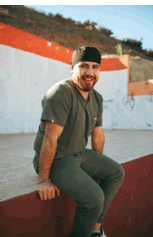
Dr. Juan Sebastian Orjuela

READ BIO

Dr. Juan Sebastian Orjuela

Dr. Juan Sebastian Orjuela (@juancho.dvm) is a Latino emergency veterinarian, educator, and co-founder of the Latinx Veterinary Medical Association. Practicing across North America, he blends ER storytelling with advocacy to promote diversity and expand veterinary access for underserved communities. An aspiring practice owner with a passion for exotic medicine, Dr. Juancho is dedicated to mentoring the next generation and making animal care more inclusive for everyone.   
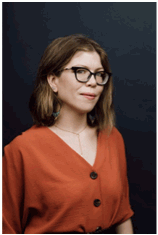
Dr. Kaylee Byers

READ BIO

Dr. Kaylee Byers

Dr. Kaylee Byers is an Assistant Professor in the School of Population and Public Health at the University of British Columbia, a Senior Scientist with the Pacific Institute on Pathogens, Pandemics and Society, and the Deputy Director of the British Columbia node of the Canadian Wildlife Health Cooperative. Prior to joining UBC she was an Assistant Professor in the Faculty of Health Sciences at Simon Fraser University. Dr. Byers is a settler scholar of European ancestry, with roots in both Canada’s Maritime (Nova Scotia) and prairie provinces (Alberta).  Dr. Byers is an interdisciplinary scholar with over a decade of experience working in the field of One Health, which recognizes the interconnected health of people, animals, and the environment. As the lead of the OH-HI (One Health, Human dimensions and Implementation) Science CoLab, her team works across disciplines to explore health systems, with a focus on understanding how perceptions shape actions as well as Headshot strengthening processes to mobilize knowledge. Her team works on issues such as chronic wasting disease in deer, avian influenza, rodent management, and health communications. Outside of research, she is an active and enthusiastic science communicator. She co-founded, organizes and hosts Nerd Nite Vancouver, a science seminar series which aims to share science in a casual setting. She is also the host of Genome British Columbia’s award-winning podcast “Nice Genes” which explores the role of genomics in society. Dr. Byers is also currently the team lead of the CoLab Team  OHHI Science CoLab.
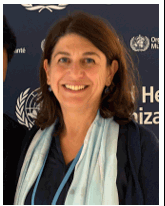
Dr. Bernadette Abela-Ridder

READ BIO

Dr. Bernadette Abela-Ridder

Dr. Bernadette Abela is a global health expert working at the intersection of human, animal and environmental health. She serves at the World Health Organization (WHO) in the Department of Malaria and Neglected Tropical Diseases, where she leads zoonotic disease prevention and is the global lead for rabies. Trained in veterinary science and public health, she has advanced antimicrobial resistance strategies at WHO and with the U.S. Food and Drug Administration. Her research with IRD in Cameroon on simian immunodeficiency viruses informed understanding of viral spillover. She has also worked with FAO and in clinical veterinary practice. 
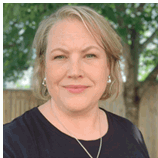
Janine Mitchell

READ BIO

Janine Mitchell

Janine Mitchell is a global health and One Health leader with more than 20 years of experience across Africa, Asia, and Latin America. She currently serves as Executive Director of Veterinarians Without Borders North America, where she leads the organization’s strategic direction across animal health, livelihoods, and community based One Health programming. An epidemiologist by training, Janine has worked in more than 30 countries and brings deep expertise in health security, zoonotic disease, antimicrobial resistance, surveillance, outbreak response, and system strengthening. Her experience spans emergency response, development programming, and technical leadership in partnership with governments, donors, regional institutions, and local organizations. Before joining Veterinarians Without Borders, Janine held senior technical and leadership roles with organizations including DAI, Mott MacDonald, and Canada’s International Development Research Centre. She notably led early One Health antimicrobial resistance efforts under the UK funded Fleming Fund in West Africa and supported USAID funded regional One Health and health security initiatives in Southeast Asia through ASEAN. Janine also serves as an Extraordinary Lecturer at the University of Pretoria’s School of Health Systems and Public Health, where she contributes to teaching in global health diplomacy. She holds an MSc in Epidemiology from the University of Pretoria. 
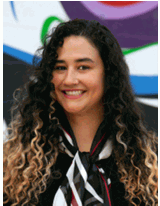
Alison Cuffley

READ BIO

Alison Cuffley

Alison Cuffley (They/Them) Senior Manager, Canada Programs - the Jane Goodall Institute of Canada  Alison has over a decade of experience working with SPCAs and Humane Societies across Canada, with a strong focus on equity, decolonization, and One Health approaches in partnership with Indigenous communities. As Senior Manager, Canada Programs with the Jane Goodall Institute of Canada they oversee the Canadian Programs portfolio, including Roots & Shoots, advancing the JGIC’s Hope to Action strategy by supporting youth, especially those from underserved communities, to lead community-based conservation grounded in reciprocal, respectful relationships and connected to the Institute’s global network. Alison is passionate about this work because it centres relationships first, uplifts Indigenous-led land care, and affirms the interconnectedness of all living beings within the Tapestry of Life. Outside of work, Alison enjoys exploring their neighbourhood on foot or two wheels, meeting cats, and trying new coffee spots — especially when baked goods are involved. 
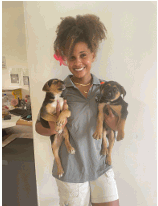
Dr. Sylvia Checkley

Dr. Melanie Moore

READ BIO

Dr. Melanie Moore

A Cayman Islands native with a global footprint, Dr. Melanie Moore is a veterinarian, nonprofit founder, and one of the distinctive voices shaping what modern veterinary medicine can look like. She earned her BSc in Animal Science from Aberystwyth University in Wales (2016) and her DVM from the Ontario Veterinary College (2021). Her work is rooted in a simple but often overlooked idea: veterinary care only works when people can actually access it. That belief has taken Dr. Moore from remote communities in Nepal, Thailand, Poland, and Samoa to a small animal practice in Ontario, where she works alongside shelters and local organizations to expand access to care and support pet owners. Dr. Moore is the founder of the Canadian VIBE Network, a nonprofit advancing Black veterinary professionals in Canada, and the creator of My Vet Friend, a Substack publication that turns exam room conversations into clear, accessible veterinary guidance for pet owners. Whether in a clinic, a rural outreach setting, or standing in front of an audience, Dr. Moore’s work circles back to the same conviction: cultural competency, accessible care, and meaningful mentorship are not “extras” in veterinary medicine. They are the foundation of what good care actually looks like
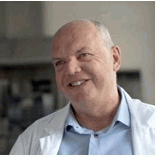
Dr. Keith Warriner

READ BIO

Dr. Keith Warriner

Dr. Warriner is currently a Professor within the Department of Food Science at University of Guelph, Canada. Dr. Warriner received his BSc in Food Science from the University of Nottingham, UK and PhD in Microbial Physiology from the University College of Wales Aberystwyth, UK. He later went on to work at within the University of Manchester before returning to the University of Nottingham. He joined the Faculty of the University of Guelph in 2002. During the last twenty-two years in the field of microbiology and food safety research, Dr. Warriner has published more than 200 papers, book chapters, patents, and conference abstracts. Noteworthy contributions have been risk assessment and risk management of fresh fruit & vegetables. His research team were amongst the first to identify the internalization of pathogens within growing plants and adaptability of certain Salmonella on tomatoes. More recently, his research team completed a risk assessment of food safety in indoor farming operations with a report being submitted to the Food and Agriculture Organization of the United Nations. Innovations have included the development of a sanitizer for seed disinfection along with technologies based on hydroxyl- radical process. As the result of the groups research effort the hydroxyl-radical process was commercialized and found utility in decontaminating fresh produce, low moisture foods, eggs and poultry meat. Dr Warriner was awarded the University of Guelph, Innovation of the Year award in 2022 and the IAFP Ewan Todd award for innovations in food safety for 2023. He is Editor-in-Chief of Food Microbiology, Associate Editor of the Canadian Journal of Microbiology.  

Tijana Selak

READ BIO

Tijana Selak

Tijana Selak (MSc., P.Biol.) is a biologist, science communicator, and the Wildlife Campaigns & Advocacy Manager at The Fur-Bearers, an animal protection organization involved in conservation, research, advocacy, and education. She holds a BSc in Zoology from the University of Calgary and a MSc in Environmental Practice from Royal Roads University, and is a Registered Professional Biologist in Alberta, specializing in urban wildlife. Her undergraduate research examined the effects of urbanization on wildlife, a focus she later extended in her graduate work by exploring how environmental communication can foster more positive public attitudes toward urban animals. With over a decade of experience in the conservation sector - including as a wildlife rehabber, environmental consultant, wildlife educator, and more - her work bridges science, storytelling, and advocacy to promote compassionate conservation and coexistence with wildlife. 
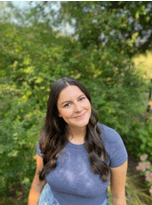
Ivana Blagojevic

READ BIO

Ivana Blagojevic

Ivana is an epidemiologist in the second year of her PhD within the department of Population Medicine at the Ontario Veterinary College. She is a mixed-methods researcher focused on investigating and understanding uptake of various tick bite and tick-borne disease prevention measures by dog and cat caregivers. She approaches her research with a One Health lens, tying together the human-animal bond, preventive health decision making frameworks, zoonotic disease, and environmental drivers of tick-borne disease. Prior to her PhD, she completed an undergraduate and master’s degree at the University of Guelph where she conducted surveillance of an emerging zoonotic canine fecal parasite in southern Ontario. Ivana serves as Co-President for the One Health Student Committee at the University of Guelph and is a member of a national, interdisciplinary, One Health research training group called Canopy. Outside of research, she enjoys spending time outdoors, crocheting, reading, and playing pickleball. 
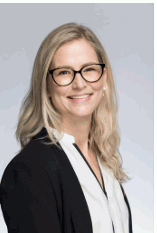
Dr. Marie Holowaychuk

READ BIO

Dr. Marie Holowaychuk

Dr. Marie Holowaychuk, DVM, Dipl. ACVECC, is a veterinarian and board-certified emergency and critical care specialist dedicated to promoting mental health and wellbeing in the veterinary profession. With over 20 years of practice experience, she founded Reviving Veterinary Medicine to address burnout and wellness through evidence-based resources and programs like From Burnout to Balance and From Toxic to Terrific. A certified coach, yoga teacher, and dynamic speaker, Marie delivers workshops and keynotes globally. She is the author of A Compassionate Calling: What It Really Means to Be a Veterinarian and hosts the Reviving Vet Med Podcast, all aimed at fostering sustainable veterinary careers.
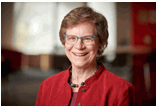
Dr. Cate Dewey

READ BIO

Dr. Cate Dewey

Dr. Cate Dewey, DVM, MSc, PhD is an Assistant Dean, and Professor of epidemiology and swine health management in the Department of Population Medicine, Ontario Veterinary College. She graduated from OVC, and worked in private veterinary practice for many years before completing a MSc and PhD. As the inaugural Director of the One Health Institute, she led the development of the Mobilizing One Health micro-credential and contributed to the undergraduate Bachelor of One Health degree. Her research focuses on preventing zoonotic disease in vulnerable populations and is currently focused in Rwanda. 

Frequently Asked Questions

Yes, you’ll need to fill out our registration form to gain access to the event. Please fill in the registration form with some basic information to get started.

The information you provide upon registration will only be used to establish you as a user on the platform and to create your login credentials. It will not be used for any other purposes.

Yes, the vFairs platform is compatible with any computer or mobile device and any browser.

Yes, this event is completely free to attend. We encourage you to login and have a look around at your convenience.

The event will be on demand indefinitely, however we may make updates and changes to the platform periodically. Make sure to keep checking back in to see our newest features in action!